Best Free AI Tools for Students, Designers, and Bloggers

Introduction: Why AI Tools Are a Game-Changer
Artificial Intelligence (AI) tools are rapidly reshaping the way individuals, businesses, and industries operate in 2025. From automating routine tasks to providing advanced insights, AI tools are transforming traditional workflows into smarter, faster, and more efficient processes. These tools leverage machine learning, natural language processing, and predictive analytics to help users make informed decisions, optimize performance, and unlock new opportunities.
Whether it’s AI-powered content creation, data analysis, customer service automation, or personalized recommendations, these tools are enabling people to accomplish more in less time while maintaining higher accuracy and consistency. Businesses are using AI tools to streamline operations, reduce costs, and deliver highly targeted marketing campaigns, while professionals and creators are enhancing productivity and creativity by integrating AI into their daily work.
What makes AI tools truly game-changing is their ability to learn and adapt. Unlike traditional software, AI tools improve over time, analyzing patterns and outcomes to provide smarter suggestions and predictions. This adaptability allows organizations and individuals to stay ahead in an increasingly competitive and fast-paced world.
In essence, AI tools are not just technological innovations—they are catalysts for growth, efficiency, and transformation. As we continue to explore the potential of AI, understanding how these tools work and how they can be applied across different domains is key to staying relevant and successful in 2025 and beyond.

Top Free AI Tools for Students
Artificial Intelligence (AI) is no longer just a tool for tech experts or large corporations—students can now leverage AI tools to enhance learning, improve productivity, and streamline academic tasks. In 2025, free AI tools are making it easier for students to conduct research, generate content, organize their schedules, and even practice critical thinking skills. Here’s a detailed look at some of the top free AI tools for students and how they can transform the learning experience.
- AI-Powered Writing Assistants
Tools like Grammarly and Quillbot help students improve their writing skills by providing grammar checks, sentence rephrasing, and style suggestions. These AI tools are particularly useful for essays, research papers, and creative writing assignments, helping students communicate ideas clearly and effectively.
- AI Note-Taking and Study Tools
Platforms like Notion AI, Evernote AI, and Obsidian AI assist students in organizing notes, summarizing lectures, and creating structured study materials. These tools can automatically generate summaries from long texts, making it easier to review key points before exams.
- AI Research Assistants
AI tools like Elicit and Scholarcy help students find relevant academic papers, summarize research articles, and extract important insights. This saves time and enables students to focus on understanding concepts rather than manually sifting through pages of research content.
- AI Math and Problem-Solving Tools
For STEM students, AI-powered platforms like Wolfram Alpha and Microsoft Math Solver can solve complex mathematical problems, provide step-by-step explanations, and even visualize solutions. These tools make learning math and science more interactive and understandable.
- AI Language Learning Tools
Students learning new languages can use AI-powered platforms like Duolingo AI and LingQ, which provide personalized lessons, pronunciation feedback, and real-time practice exercises. These tools adapt to each learner’s pace and skill level, making language learning more engaging.
- AI Presentation and Design Tools
AI tools such as Canva AI and Beautiful.ai assist students in creating visually appealing presentations, infographics, and designs quickly. These platforms offer templates, design suggestions, and automation features, helping students save time while producing professional-quality work.
- AI Study Planners and Productivity Tools
Time management is essential for students, and AI tools like Trello AI, Todoist, and MyStudyLife can help organize schedules, set reminders, and track progress on assignments. These AI-driven productivity tools ensure students stay organized and meet deadlines efficiently.
Benefits of Using AI Tools for Students
Improved Learning Efficiency: AI summarizes information, solves problems, and provides instant feedback.
Enhanced Creativity: Students can focus on ideas while AI handles repetitive or technical tasks.
Personalized Learning: AI adapts to each student’s pace and learning style.
Time-Saving: Automation of tasks like research, writing, and note-taking frees up valuable time.
Conclusion
AI tools are a game-changer for students in 2025, offering free and accessible solutions to enhance learning, productivity, and creativity. By integrating these tools into their academic workflow, students can not only improve performance but also develop essential skills for the future. The best part is that many of these tools are completely free, making advanced AI technology accessible to everyone.

AI-Powered Writing Assistants
Artificial Intelligence has revolutionized the way students, professionals, and content creators approach writing. AI-powered writing assistants in 2025 are not just tools for correcting grammar—they are comprehensive platforms that help users improve clarity, style, tone, and even creativity in their writing. These tools leverage machine learning and natural language processing to analyze text, provide suggestions, and help writers craft polished content efficiently.
Key Features of AI Writing Assistants
- Grammar and Spelling Checks: AI writing assistants like Grammarly and ProWritingAid automatically detect grammar mistakes, spelling errors, and punctuation issues, ensuring error-free content.
- Style and Tone Suggestions: These tools provide suggestions to improve readability, maintain consistent tone, and enhance overall style, making writing more professional and engaging.
- Paraphrasing and Rewriting: Platforms like Quillbot help users rephrase sentences or paragraphs without changing the meaning, which is useful for academic writing and avoiding plagiarism.
- Plagiarism Detection: Many AI writing assistants include plagiarism detection features, ensuring content originality—an essential feature for students, bloggers, and professionals.
- Content Generation: Advanced AI tools can generate ideas, draft emails, essays, or even creative stories, saving time and assisting in overcoming writer’s block.
Benefits for Students and Professionals
Enhanced Productivity: AI writing assistants reduce the time spent on editing and proofreading, allowing users to focus on content quality.
Improved Learning: Students can learn from real-time feedback, improving grammar, vocabulary, and writing skills over time.
Professional Communication: Professionals can create polished reports, emails, and presentations that leave a strong impression.
Creativity Support: Writers can explore new ways to express ideas with AI suggestions, expanding creativity without replacing human thought.
Popular AI Writing Assistants in 2025
Grammarly: Provides real-time grammar, style, and tone suggestions, along with plagiarism checks.
Quillbot: Offers paraphrasing, summarizing, and AI-powered writing assistance.
ProWritingAid: Focuses on in-depth writing analysis, including readability, consistency, and structure.
Writesonic & Jasper AI: These platforms can generate AI-based content for essays, blogs, and marketing materials.
Conclusion
AI-powered writing assistants are game-changers for anyone looking to improve their writing in 2025. By combining grammar correction, style enhancement, content generation, and plagiarism detection, these tools make writing faster, easier, and more effective. Whether you are a student crafting essays, a professional drafting reports, or a blogger creating content, AI writing assistants help you communicate ideas clearly and confidently while saving valuable time.

AI Tools for Designers
Artificial Intelligence (AI) is transforming the creative world, and designers are among the biggest beneficiaries. In 2025, AI tools are no longer limited to simple automation; they are helping designers create stunning visuals, streamline workflows, and experiment with innovative ideas faster than ever. From graphic design and UI/UX design to 3D modeling and animation, AI tools are empowering designers to focus more on creativity while letting technology handle repetitive or time-consuming tasks.
Key Features of AI Design Tools
- Automated Design Suggestions: AI platforms like Canva AI and Adobe Firefly provide intelligent design recommendations based on content, style, and color preferences. This helps designers create professional-quality visuals even under tight deadlines.
- Image Generation: Tools like DALL·E and MidJourney can generate realistic or artistic images from text prompts, allowing designers to quickly prototype ideas or create unique visual content.
- Logo and Branding Creation: AI-driven platforms like Looka and Tailor Brands help designers and businesses generate logos, brand palettes, and marketing assets in minutes, simplifying the branding process.
- UI/UX Optimization: AI tools can analyze user behavior and suggest interface improvements, making apps and websites more intuitive and user-friendly. Platforms like Uizard use AI to convert sketches or wireframes into interactive prototypes automatically.
- 3D Modeling and Animation: AI tools like Runway ML and Kaedim3D assist in creating 3D models, animations, and visual effects faster, reducing manual labor while maintaining quality and realism.
Benefits for Designers
Time-Saving: AI handles repetitive tasks like resizing, background removal, and color adjustments, allowing designers to focus on creative aspects.
Enhanced Creativity: AI-generated suggestions and prototypes inspire designers to experiment with new concepts and styles.
Cost Efficiency: Small businesses and freelancers can produce professional designs without investing heavily in complex software or extensive teams.
Improved Accuracy: AI tools can detect design inconsistencies, optimize layouts, and ensure branding guidelines are followed.
Popular AI Tools for Designers in 2025
Canva AI: Provides templates, automated design suggestions, and easy image editing for professional-looking visuals.
Adobe Firefly: AI-powered creative suite for graphics, photos, and video content generation.
DALL·E / MidJourney: Text-to-image AI generators for creating unique visuals and prototypes.
Looka / Tailor Brands: AI branding platforms for logos, brand colors, and marketing materials.
Runway ML: AI-assisted video editing, animation, and creative experimentation.
Uizard: Converts sketches or wireframes into functional UI prototypes.
Conclusion
AI tools for designers are a game-changer in 2025, combining speed, creativity, and efficiency. They allow designers to produce high-quality visuals, experiment with innovative ideas, and optimize workflows like never before. Whether you are a professional graphic designer, a UI/UX specialist, or a freelancer, integrating AI tools into your creative process can save time, reduce costs, and open up endless possibilities for innovation.

AI for Blogging and Content Creation
Artificial Intelligence (AI) is transforming the world of blogging and content creation, making it faster, easier, and more effective to produce high-quality content. In 2025, AI tools are not just assisting writers—they are becoming essential partners in brainstorming ideas, generating drafts, optimizing SEO, and even analyzing audience engagement. Whether you are a blogger, content marketer, or social media manager, AI can help you produce better content in less time while maintaining creativity and originality.
Key Features of AI Content Creation Tools
- Content Generation: AI platforms like Jasper AI, Writesonic, and Copy.ai can generate articles, blog posts, social media captions, and email newsletters based on minimal input. This helps writers overcome writer’s block and produce content quickly.
- SEO Optimization: Tools like Surfer SEO and Frase integrate AI to suggest keywords, optimize headings, and ensure content ranks higher on search engines. AI analyzes competitors and identifies gaps in content to improve organic traffic.
- Content Editing and Proofreading: AI writing assistants like Grammarly and ProWritingAid help improve grammar, style, readability, and tone, ensuring that content is polished and professional.
- Idea Generation and Research: AI tools can suggest trending topics, headlines, and subtopics based on audience interests and current trends. Platforms like BuzzSumo use AI to identify viral content ideas and predict engagement.
- Multimedia Integration: AI tools can create images, videos, infographics, and other visual content to complement blog posts, enhancing engagement. Tools like Canva AI and DALL·E enable bloggers to produce visuals that match their content instantly.
Benefits for Bloggers and Content Creators
Increased Productivity: AI reduces the time spent on research, writing, editing, and SEO, allowing creators to focus on strategy and creativity.
Consistent Quality: AI ensures consistent tone, style, and readability across content pieces.
SEO-Ready Content: AI helps optimize content for search engines, improving visibility and driving organic traffic.
Idea Generation: AI suggests fresh topics and trending keywords, keeping content relevant and engaging.
Cost-Efficient: Freelancers and small businesses can produce high-quality content without investing heavily in teams or tools.
Popular AI Tools for Blogging and Content Creation in 2025
Jasper AI: AI content generator for blogs, social media, and marketing campaigns.
Writesonic: AI writing tool for blogs, emails, and ad copy.
Copy.ai: Generates creative content ideas, headlines, and copywriting drafts.
Surfer SEO: Combines AI with SEO analysis to optimize content for search engines.
Frase: AI-driven content research and optimization platform.
Grammarly / ProWritingAid: Editing, grammar, and style enhancement tools.
Canva AI / DALL·E: AI-powered visual content creation for blogs and social media.
Conclusion
AI for blogging and content creation is a game-changer in 2025. It empowers writers to produce high-quality, SEO-optimized content faster, explore creative ideas, and engage audiences more effectively. By integrating AI tools into their workflow, bloggers and content creators can not only save time but also maintain consistency, improve engagement, and stay ahead in the competitive digital landscape. AI is no longer just a support tool—it is a creative partner shaping the future of content creation.
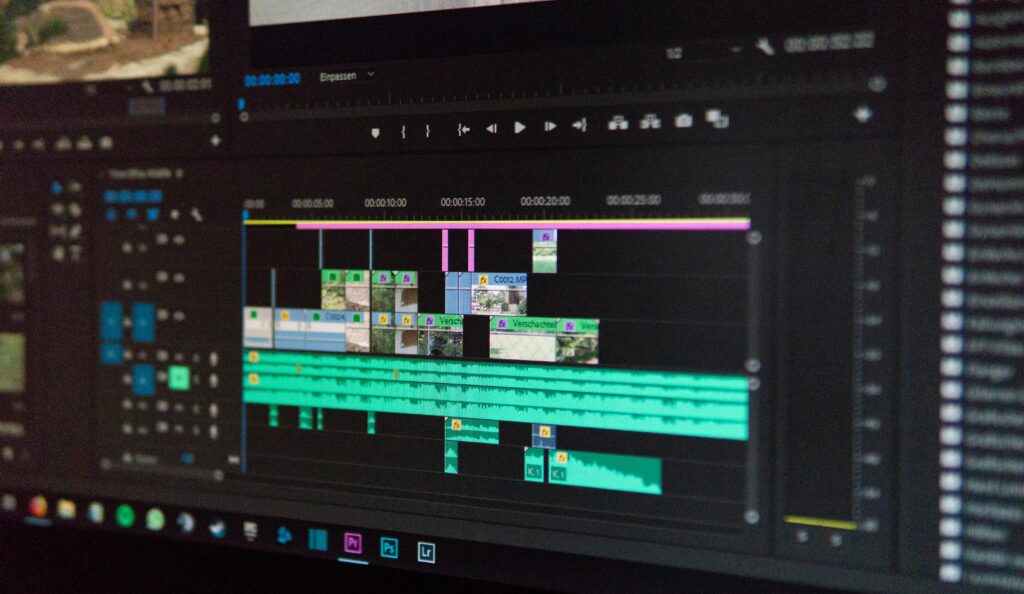
AI Tools for Video and Audio Editing
Artificial Intelligence (AI) is revolutionizing video and audio editing in 2025, making it faster, smarter, and more accessible for creators of all skill levels. From content creators and marketers to filmmakers and podcasters, AI tools are helping users automate tedious tasks, enhance quality, and create professional-level media without the need for expensive software or extensive technical expertise. By integrating AI into the editing workflow, creators can focus more on storytelling and creativity while leaving repetitive or complex tasks to intelligent algorithms.
Key Features of AI Video and Audio Editing Tools
- Automated Video Editing: AI platforms like Runway ML and Pictory can automatically trim, cut, and assemble video clips based on key scenes, audio cues, or text input, drastically reducing editing time.
- Audio Enhancement: Tools like Descript and Adobe Podcast AI clean up background noise, normalize audio levels, and even generate voiceovers, ensuring professional-quality sound for podcasts, interviews, and videos.
- Subtitles and Transcription: AI can automatically generate accurate subtitles and transcriptions in multiple languages, making video content more accessible and improving engagement on platforms like YouTube and social media.
- Visual Effects and Animation: AI-driven platforms like Runway ML and Kaiber AI allow creators to add visual effects, motion graphics, and animations effortlessly, even if they lack advanced technical skills.
- Style Transfer and Enhancement: AI tools can apply filters, color corrections, and stylistic enhancements to video clips or images, enabling creators to achieve cinematic quality or maintain brand consistency easily.
- Content Summarization and Highlights: AI can automatically identify key moments in long videos or podcasts and generate highlight reels or summaries, which is especially useful for marketing content or educational material.
Benefits for Creators
Time Efficiency: AI automates time-consuming tasks such as cutting, trimming, noise reduction, and subtitle creation.
Improved Quality: AI ensures consistent audio and video quality, reducing human error in editing.
Accessibility: Tools make high-quality video and audio production accessible to beginners and small creators.
Creative Freedom: By handling repetitive tasks, AI allows creators to focus on storytelling, concept development, and innovative effects.
Multilingual Support: AI transcription and translation features expand the reach of content globally.
Popular AI Tools for Video and Audio Editing in 2025
Runway ML: AI-powered video editing, motion graphics, and visual effects platform.
Pictory: Converts scripts or long videos into short, engaging video clips automatically.
Descript: Audio and video editing, transcription, and voice-over generation tool.
Adobe Podcast AI: Enhances podcast audio quality and generates transcripts.
Kaiber AI: AI animation and motion graphics creation.
Lumen5: Transforms text content into engaging videos using AI templates.
VEED.IO: AI video editor with automatic subtitles, translations, and enhancements.
Conclusion
AI tools for video and audio editing are game-changers in 2025, enabling creators to produce high-quality content faster and with less effort. Whether you are a professional filmmaker, a podcaster, a marketer, or a student creating multimedia projects, integrating AI into your workflow can save time, enhance production quality, and unlock new creative possibilities. As AI continues to advance, video and audio editing will become more intuitive, intelligent, and accessible, allowing anyone to create compelling media content that captivates audiences.

AI Tools for Research and Learning
Artificial Intelligence (AI) is transforming the way students, researchers, and lifelong learners access, process, and utilize information in 2025. AI tools are no longer just supplementary—they have become essential for accelerating research, enhancing learning efficiency, and enabling smarter decision-making. From summarizing complex papers to generating insights and recommending personalized learning paths, AI is revolutionizing education and knowledge acquisition.
Key Features of AI Research and Learning Tools
- Automated Summarization: AI platforms like Scholarcy and Elicit can quickly summarize research papers, articles, and textbooks, allowing students and researchers to grasp key points without spending hours reading.
- Smart Search and Discovery: AI tools can identify relevant academic papers, datasets, and resources based on context, keywords, or research questions. This makes literature reviews and research exploration faster and more precise.
- Personalized Learning Paths: AI learning platforms such as Khan Academy AI and Socratic by Google adapt to individual learning styles, providing exercises, explanations, and content tailored to the learner’s pace and level.
- Data Analysis and Insights: For advanced research, AI tools like IBM Watson and ChatGPT can analyze large datasets, identify patterns, and generate actionable insights, supporting data-driven decision-making.
- Interactive Tutoring and Assistance: AI chatbots and virtual tutors provide real-time assistance, answer queries, and guide learners through complex concepts, enhancing understanding and retention.
- Citation and Reference Management: Tools like Zotero and Mendeley integrate AI to help manage references, generate citations, and ensure academic integrity efficiently.
Benefits for Students and Researchers
Time-Saving: AI reduces the time spent on reading, summarizing, and searching for resources.
Enhanced Understanding: Personalized learning ensures students focus on areas they struggle with, improving comprehension.
Data-Driven Research: AI provides insights and analysis that would be difficult or time-consuming manually.
Accessibility: Learners can access AI tutoring and study aids anytime, anywhere, supporting remote or self-paced education.
Organization and Efficiency: AI tools help manage research notes, references, and learning materials systematically.
Popular AI Tools for Research and Learning in 2025
Scholarcy: Summarizes research papers and highlights key findings.
Elicit: AI-powered research assistant for literature reviews and data synthesis.
ChatGPT: Assists in research, learning explanations, and generating ideas.
Khan Academy AI / Socratic: Personalized learning platforms that guide students through topics.
IBM Watson: Advanced AI for data analysis and research insights.
Zotero / Mendeley: AI-assisted reference management and citation tools.
Perplexity AI: Provides concise answers and research summaries for quick understanding.
Conclusion
AI tools for research and learning are reshaping education and academia in 2025. By automating tedious tasks, providing personalized guidance, and offering advanced analysis, AI enables students and researchers to work smarter, faster, and more effectively. Whether it’s summarizing complex studies, analyzing large datasets, or guiding learners through challenging subjects, AI is enhancing the way knowledge is acquired and applied. For anyone looking to excel academically or stay informed in their field, integrating AI research and learning tools is no longer optional—it’s essential.
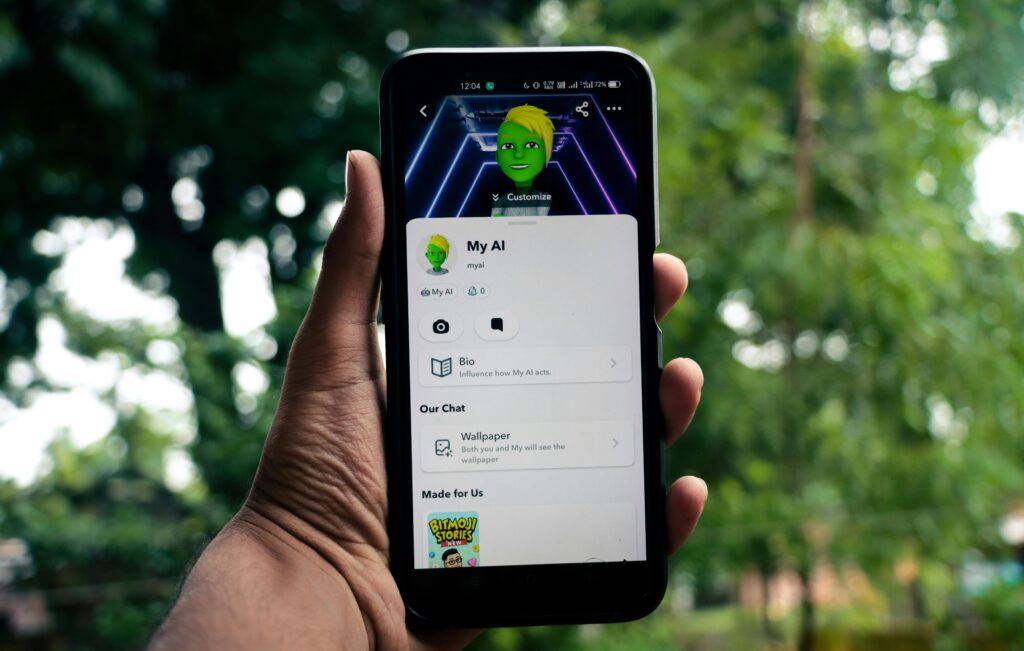
AI Tools for Social Media Management
Artificial Intelligence (AI) is transforming the way businesses, influencers, and marketers manage social media in 2025. Social media platforms are increasingly dynamic, and keeping up with content creation, posting schedules, audience engagement, and analytics can be overwhelming. AI tools help streamline these tasks, automate processes, and provide actionable insights, making social media management more efficient, data-driven, and creative.
Key Features of AI Social Media Tools
- Automated Content Scheduling: Tools like Buffer AI and Hootsuite AI allow users to plan, schedule, and automatically post content at optimal times for maximum engagement, eliminating manual posting.
- Content Creation and Curation: AI platforms such as Canva AI, Lately AI, and Jasper AI help generate captions, posts, graphics, and videos tailored to your brand voice, ensuring high-quality and consistent content.
- Audience Engagement and Chatbots: AI-powered chatbots on platforms like ManyChat or MobileMonkey can respond to comments, messages, and FAQs instantly, providing 24/7 customer support and boosting engagement.
- Analytics and Insights: AI tools analyze engagement metrics, audience behavior, and trends to provide actionable insights. Platforms like Sprout Social AI and Socialbakers AI help identify what content works best and recommend strategies for growth.
- Trend Monitoring and Hashtag Suggestions: AI can track trending topics, hashtags, and competitor activity, helping marketers stay relevant and increase visibility on social media platforms.
- Social Listening: Tools like Brandwatch and Awario AI monitor online mentions, sentiment, and brand reputation in real-time, enabling proactive response to customer feedback or emerging trends.
Benefits for Social Media Managers
Time Efficiency: Automates scheduling, posting, and engagement, allowing managers to focus on strategy.
Enhanced Creativity: AI-generated ideas, captions, and visuals inspire fresh and engaging content.
Data-Driven Decisions: Analytics and insights help optimize campaigns and improve ROI.
Consistent Branding: AI ensures brand voice, style, and messaging remain uniform across platforms.
Improved Engagement: AI chatbots and social listening tools increase responsiveness and strengthen audience relationships.
Popular AI Tools for Social Media Management in 2025
Buffer AI: Automates scheduling and analyzes post performance.
Hootsuite AI: Social media planning, analytics, and engagement automation.
Canva AI: Creates AI-generated graphics, videos, and posts for social media.
Jasper AI: Generates captions, posts, and content ideas.
Lately AI: AI-powered content creation and social media marketing.
ManyChat / MobileMonkey: AI chatbots for customer interaction and engagement.
Sprout Social AI: Provides social analytics, insights, and performance tracking.
Brandwatch / Awario AI: Social listening and sentiment analysis tools.
Conclusion
AI tools for social media management are revolutionizing the way businesses and creators engage with audiences in 2025. By automating routine tasks, providing intelligent insights, and enhancing content creation, these tools allow social media managers to save time, improve engagement, and make data-driven decisions. Whether you are a small business, a content creator, or a marketing professional, leveraging AI for social media management is essential to stay competitive, relevant, and impactful in today’s fast-paced digital world.

Tips for Choosing the Right Free AI Tool
With the rapid growth of AI in 2025, students, professionals, and businesses have access to a wide variety of free AI tools. From content creation and social media management to research, learning, and design, the options can be overwhelming. Choosing the right AI tool is crucial to ensure it meets your needs, saves time, and enhances productivity. Here’s a detailed guide on what to consider when selecting a free AI tool.
- Evaluate Usability
The first factor to consider is user-friendliness. A tool may be powerful, but if it’s difficult to navigate, it can slow down your workflow. Look for AI tools with:
Intuitive Interfaces: Clear menus, drag-and-drop features, and easy-to-understand workflows.
Quick Onboarding: Tutorials, guides, or demo features that help new users get started quickly.
Accessibility: Compatibility with mobile and desktop devices for seamless usage across platforms.
- Check Features and Functionality
Different AI tools offer different capabilities. Identify your specific needs and ensure the tool provides the right features:
Content Generation: For writing or blogging, check grammar, style, SEO optimization, and idea generation features.
Design Tools: For graphic or video work, check image/video generation, templates, animation, and customization options.
Learning & Research: Summarization, citation management, data analysis, and personalized learning paths.
Social Media: Scheduling, analytics, trend monitoring, and chatbot integration.
Always compare free features against premium ones to ensure the free plan meets your essential requirements.
- Assess Platform Compatibility
Platform compatibility is crucial for smooth integration into your workflow. Consider:
Operating Systems: Check if the tool works on Windows, macOS, iOS, Android, or web browsers.
Software Integration: Tools that integrate with popular platforms like Google Workspace, Microsoft Office, or Canva can boost efficiency.
Cloud-Based Access: Cloud-based AI tools allow access from any device without installation hassles, ideal for remote learning or collaboration.
- Review Updates and Support
A good AI tool is constantly evolving. Check for:
Regular Updates: Ensures improved features, security patches, and bug fixes.
Customer Support: Free tools may offer limited support, but FAQs, community forums, and tutorials are valuable.
Active Development: Tools with frequent updates indicate reliability and long-term usability.
- Consider Security and Privacy
Even free AI tools handle sensitive data. Make sure the platform:
Respects Privacy: Check data handling policies and ensure your information is not shared without consent.
Data Protection: Uses encryption or other security measures to protect your content and personal information.
- Test Before Committing
Many AI tools offer free trials or demo versions. Take advantage of these to:
Explore Features: Test the core functionalities to see if it meets your needs.
Assess Workflow Fit: Ensure it integrates well into your daily routine or team collaboration.
Check Performance: Evaluate speed, accuracy, and output quality before relying on it fully.
Conclusion
Choosing the right free AI tool in 2025 requires careful consideration of usability, features, platform compatibility, updates, support, and security. By taking the time to evaluate these aspects, you can select tools that not only save time and enhance productivity but also provide a seamless and reliable user experience. Remember, the best AI tool is one that fits your specific needs, adapts to your workflow, and grows with you as technology evolves.

Conclusion: Maximizing Productivity with AI
Artificial Intelligence (AI) is no longer just a futuristic concept—it has become an essential part of how students, professionals, and businesses maximize productivity in 2025. By integrating free AI tools into daily tasks, users can streamline workflows, automate repetitive processes, and access intelligent insights that enhance decision-making. From writing and research to design, social media management, and multimedia editing, AI empowers users to accomplish more in less time without compromising quality.
The benefits of using AI tools are manifold. They save time by automating routine tasks, improve accuracy by minimizing human error, and enhance creativity by providing suggestions, ideas, and content generation capabilities. Personalized AI solutions also allow users to focus on high-value work, whether it’s strategic planning, creative ideation, or learning new skills, while AI handles the technical or repetitive components.
Moreover, free AI tools make advanced technology accessible to everyone, enabling individuals and small teams to compete on a larger scale without heavy investments. They support continuous learning, efficiency, and adaptability, making it easier to keep up with the fast-paced demands of modern life and work.
In essence, integrating AI into your daily workflow is a game-changer. By leveraging these tools thoughtfully, you can boost productivity, enhance creativity, and stay ahead in a world where technology and human ingenuity work hand in hand. Embracing AI today means not only optimizing your current tasks but also preparing for a smarter, more efficient, and innovative tomorrow.
✨ Thank You for Reading! ✨
Thank you so much for taking the time to read this article. I truly appreciate your interest in learning more about Artificial Intelligence and its impact in 2025. 🙌 If you found this post helpful or insightful, don’t forget to subscribe to our newsletter. 📩 By subscribing, you’ll get the latest updates, guides, and tips about AI, machine learning, and emerging technology—delivered straight to your inbox. 🚀
Stay curious, stay updated, and let’s explore the future of AI and technology together! 💡