Artificial Intelligence in 2025: Latest Trends and Future Scope
What is Artificial Intelligence? (Quick Overview)
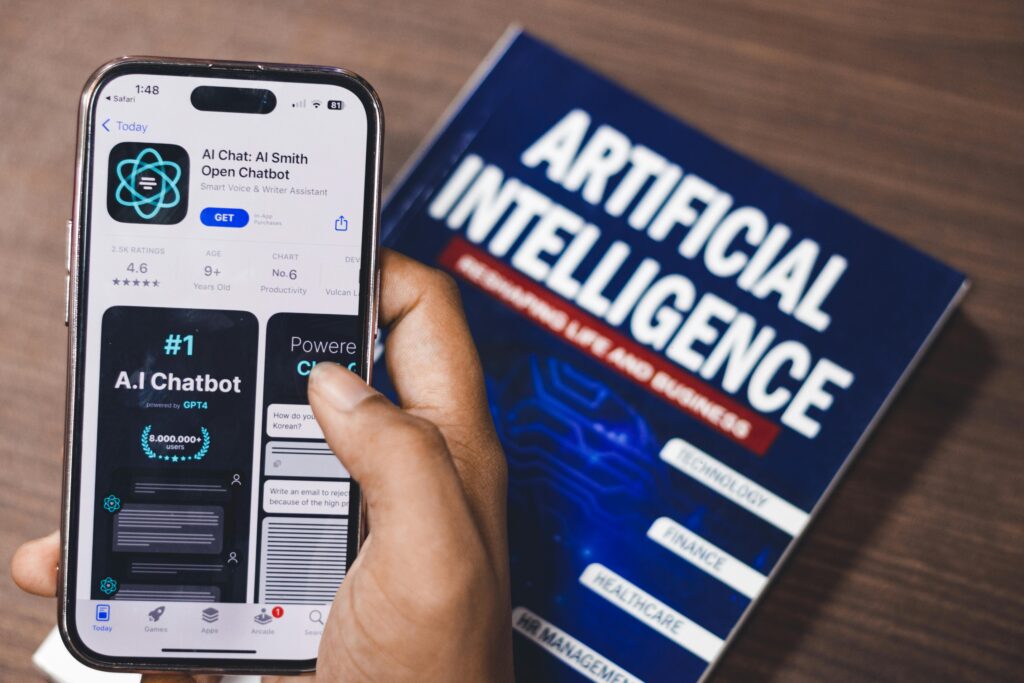
Artificial Intelligence, commonly known as AI, is one of the most transformative technologies of the 21st century, shaping the way we live, work, and interact with the world. At its core, AI allows machines and computer systems to perform tasks that traditionally required human intelligence, such as learning from experience, understanding natural language, recognizing patterns, and making decisions. From everyday applications like voice assistants, chatbots, and recommendation systems to advanced innovations such as self-driving cars, smart healthcare diagnostics, and personalized learning platforms, AI is everywhere. Businesses are leveraging AI to analyze vast amounts of data, predict consumer behavior, optimize operations, and deliver highly personalized experiences to their customers. In industries like finance, AI is revolutionizing fraud detection, algorithmic trading, and risk management, while in healthcare, it is helping doctors with accurate diagnoses and treatment plans. Beyond the commercial sector, AI is also playing a vital role in scientific research, climate modeling, and even creative fields like art, music, and content generation. As AI continues to evolve rapidly, it not only enhances productivity and efficiency but also poses important ethical questions and societal challenges, making it crucial for organizations, governments, and individuals to adopt responsible and thoughtful approaches. The rise of AI signals a new era where technology complements human capabilities, improves decision-making, and drives innovation across every aspect of life, truly reshaping the future in ways we could only imagine a few decades ago.

Why AI is So Important in 2025
In 2025, Artificial Intelligence (AI) has become one of the most critical technologies driving innovation, efficiency, and growth across the globe. Businesses, governments, and individuals rely on AI to process massive amounts of data, make informed decisions, and predict future trends with unprecedented accuracy. From healthcare to finance, education to manufacturing, AI is reshaping every industry by automating repetitive tasks, enhancing productivity, and enabling smarter solutions to complex problems. In healthcare, AI helps doctors detect diseases earlier and design personalized treatment plans, while in finance, it improves fraud detection, risk management, and customer service. AI-powered tools and applications, including virtual assistants, autonomous vehicles, recommendation systems, and smart home devices, are making daily life more convenient and efficient than ever. Moreover, AI is a driving force behind emerging technologies like robotics, IoT, and quantum computing, making it essential for staying competitive in a fast-changing world. In 2025, the importance of AI goes beyond technology; it’s a key driver of economic growth, innovation, and societal transformation, helping humanity solve some of its most urgent challenges while shaping the way we work, live, and interact with the world.
Top AI Trends to Watch in 2025
As we move further into 2025, Artificial Intelligence continues to evolve at an unprecedented pace, introducing trends that are reshaping industries and daily life. One of the most significant trends is the rise of Generative AI, which is transforming content creation, design, and even software development by producing high-quality text, images, and code in seconds. AI-powered automation is another major trend, enabling businesses to streamline operations, reduce costs, and improve efficiency across sectors like manufacturing, logistics, and customer service. Edge AI is gaining traction, allowing AI models to run locally on devices, improving speed, privacy, and performance for applications such as smart cameras, autonomous vehicles, and IoT devices. AI in healthcare is becoming more advanced, with predictive analytics, personalized medicine, and early disease detection helping doctors make better decisions and save lives.
Additionally, AI ethics and responsible AI are emerging as crucial considerations, ensuring that AI systems are transparent, fair, and safe. Natural Language Processing (NLP) and conversational AI are also evolving rapidly, making chatbots, virtual assistants, and customer support systems more human-like and context-aware. As AI integrates deeper into sectors like finance, education, entertainment, and climate modeling, these trends highlight that 2025 is the year AI moves from being a futuristic concept to a practical, indispensable part of our everyday lives.

AI in Healthcare: Smarter Diagnosis & Treatment
Artificial Intelligence is revolutionizing the healthcare industry, making diagnosis and treatment smarter, faster, and more accurate. In 2025, AI-powered tools are helping doctors and medical professionals analyze vast amounts of patient data, medical records, and research studies to identify patterns that might be missed by the human eye. Advanced algorithms and machine learning models can detect diseases like cancer, cardiovascular conditions, and neurological disorders at much earlier stages, significantly improving patient outcomes. AI also enables personalized treatment plans, tailoring medications, therapies, and lifestyle recommendations to each patient’s unique genetic makeup and medical history. Virtual health assistants and AI-driven telemedicine platforms are enhancing patient engagement, providing 24/7 support, and ensuring timely intervention. Beyond individual care, AI is helping hospitals optimize resource allocation, predict patient admission rates, and streamline workflows, reducing costs and improving efficiency. With ongoing advancements in predictive analytics, medical imaging, and natural language processing, AI is no longer just a supportive tool—it is becoming an essential part of modern healthcare, helping save lives, improve treatment quality, and transform the future of medicine.

AI in Education: Personalized Learning for Students
Artificial Intelligence (AI) is rapidly transforming the education landscape, making learning more personalized, adaptive, and efficient than ever before. In 2025, AI is no longer a futuristic concept in classrooms; it has become an essential tool that empowers both students and educators. By leveraging AI technologies such as machine learning, natural language processing, and predictive analytics, educational platforms can now analyze vast amounts of student data to deliver customized learning experiences tailored to each individual’s needs. This personalized approach ensures that students receive the right content at the right time, addressing their unique strengths and weaknesses and enabling a more effective learning journey.
How AI Personalizes Learning
One of the most significant advantages of AI in education is its ability to provide personalized learning paths. Traditional education often follows a one-size-fits-all approach, which may not meet the diverse learning styles and paces of every student. AI-driven platforms overcome this limitation by continuously analyzing student performance, engagement, and comprehension. These platforms can identify areas where a student struggles and automatically adjust the difficulty level of lessons, recommend additional resources, or suggest interactive exercises to reinforce understanding. For example, a student who excels in mathematics but struggles in reading comprehension can receive a tailored curriculum that focuses on improving literacy skills while continuing to challenge their strengths in math.
AI-Powered Tools for Students
In 2025, students have access to a wide range of AI-powered tools that enhance learning both inside and outside the classroom. Virtual tutors and intelligent chatbots can answer questions, explain complex concepts, and guide students through problem-solving in real time. Adaptive learning software tracks student progress and offers personalized quizzes and exercises to ensure mastery of each topic before moving forward.
AI-driven platforms like learning management systems (LMS) can provide detailed analytics on student performance, helping educators identify trends, predict learning outcomes, and intervene proactively to support struggling students. Additionally, AI-based language learning tools, coding platforms, and interactive simulations make learning engaging, practical, and aligned with real-world skills.
Supporting Teachers with AI
AI is not only beneficial for students; it also empowers educators to teach more effectively. Administrative tasks like grading, attendance tracking, and performance analysis can be automated using AI, freeing up valuable time for teachers to focus on lesson planning, mentoring, and fostering student creativity. AI can also provide insights into class-wide trends, highlighting areas where multiple students face challenges, enabling teachers to adjust their teaching strategies accordingly. By providing data-driven feedback, AI helps teachers make informed decisions that improve student outcomes and enhance the overall learning experience.
The Role of Predictive Analytics
Predictive analytics is one of the most powerful applications of AI in education. By analyzing historical student data, AI algorithms can forecast potential learning difficulties, dropout risks, and areas where intervention may be needed. This allows educators to proactively support students before problems escalate, improving retention rates and academic performance. For example, if a student shows consistent struggles in a particular subject, predictive models can recommend additional resources or tutoring sessions to prevent failure. Similarly, AI can help universities and schools optimize course offerings, resource allocation, and curriculum design based on predicted student needs and trends.
AI and Inclusive Education
Another significant benefit of AI in education is its ability to promote inclusivity. Students with disabilities, learning disorders, or language barriers can benefit from AI-powered tools that adapt content and delivery methods to meet their needs. Text-to-speech, speech-to-text, and real-time translation tools make learning accessible to students from diverse backgrounds. Additionally, AI can monitor and adapt to each student’s pace, ensuring no one is left behind and promoting an equitable learning environment.
Preparing Students for the Future
AI in education is not only about improving current learning outcomes; it is also about preparing students for the future workforce. As technology continues to evolve, students need to develop skills such as critical thinking, problem-solving, and digital literacy. AI-driven platforms can integrate these skills into the curriculum by offering project-based learning, interactive simulations, and coding exercises. Personalized learning ensures that students acquire both academic knowledge and practical skills, making them better prepared for higher education and future careers.
Challenges and Considerations
While AI offers immense benefits, it also comes with challenges that educators and policymakers must address. Privacy and data security are major concerns, as AI systems collect sensitive student information. Ensuring the ethical use of AI, maintaining transparency, and preventing bias in algorithms are critical for fostering trust among students, parents, and educators. Additionally, proper training and professional development are necessary for teachers to use AI tools effectively and integrate them into classroom practices.
The Future of AI in Education
Looking ahead, AI will continue to shape the future of education in 2025 and beyond. The integration of AI with virtual reality (VR) and augmented reality (AR) promises immersive learning experiences, while AI-powered analytics will enable even more personalized and adaptive education. As AI becomes more sophisticated, it will help bridge educational gaps, improve accessibility, and create learning environments that are student-centered, efficient, and engaging.
Ultimately, AI is not just a technological innovation—it is a catalyst for transforming education and empowering students to reach their full potential.

AI in Business and Marketing: Automation & Insights
Artificial Intelligence is transforming the way businesses operate and market their products in 2025. Companies are increasingly relying on AI to gain valuable insights from large datasets, streamline operations, and automate repetitive tasks. By leveraging AI-driven analytics, businesses can understand customer behavior, predict trends, and make data-driven decisions that improve efficiency, reduce costs, and boost profitability.
AI-Powered Automation in Business
One of the most impactful applications of AI in business is automation. Routine tasks such as inventory management, customer support, data entry, and order processing can now be automated with AI-powered systems. Chatbots and virtual assistants handle customer inquiries 24/7, improving response time and customer satisfaction. Robotic Process Automation (RPA) is streamlining back-office operations, allowing employees to focus on strategic initiatives rather than repetitive tasks. By integrating AI into workflows, businesses can operate more efficiently, reduce human error, and save valuable resources.
Gaining Insights with AI Analytics
Data is the backbone of modern business, and AI makes it possible to extract actionable insights from massive amounts of information. Machine learning algorithms analyze customer interactions, purchase history, social media behavior, and market trends to identify patterns and predict future outcomes. These insights help businesses tailor marketing campaigns, optimize pricing strategies, and create highly personalized customer experiences. Predictive analytics allows companies to anticipate demand, reduce churn, and enhance product development strategies, giving them a competitive edge in a fast-changing market.
AI in Marketing: Personalization and Customer Engagement
Marketing is one of the areas where AI has had a transformative impact. AI-driven platforms analyze customer preferences, online behavior, and engagement metrics to deliver personalized advertisements, email campaigns, and product recommendations. Personalization at scale increases conversion rates, customer loyalty, and brand recognition. AI also enables real-time marketing, allowing businesses to adapt campaigns instantly based on consumer feedback and performance metrics. Tools such as programmatic advertising, sentiment analysis, and predictive lead scoring are helping marketers target the right audience with the right message at the right time.
Enhancing Decision-Making with AI
AI empowers business leaders to make smarter, faster decisions. By providing predictive insights, risk analysis, and scenario planning, AI helps companies minimize losses and seize opportunities. For instance, in supply chain management, AI can forecast demand fluctuations, optimize inventory, and prevent disruptions. In finance, AI-driven risk assessment tools detect anomalies and fraudulent activities in real time. Across sectors, AI serves as a strategic advisor, enhancing decision-making with data-backed insights.
Challenges and Considerations
While AI offers tremendous advantages, businesses must also address challenges related to data privacy, algorithmic bias, and employee adaptation. Ensuring ethical use of AI, maintaining transparency in automated decisions, and providing workforce training are essential for maximizing AI’s potential without compromising trust or compliance.
The Future of AI in Business and Marketing
As we progress through 2025, AI will continue to redefine the business and marketing landscape. The integration of AI with technologies like the Internet of Things (IoT), big data, and augmented reality (AR) will create smarter, more interactive, and highly personalized experiences for customers. Companies that adopt AI strategically will enjoy better operational efficiency, improved customer engagement, and stronger competitive positioning.
Ultimately, AI is not just a tool—it is a driving force behind business innovation, helping companies transform data into actionable insights, automate critical processes, and deliver meaningful value to their customers.

The Role of AI in Cryptocurrency and Blockchain
Artificial Intelligence (AI) is playing an increasingly pivotal role in the world of cryptocurrency and blockchain technology, especially in 2025, as these two cutting-edge fields converge to create smarter, more secure, and efficient financial systems. While blockchain ensures transparency, decentralization, and immutability of data, AI adds intelligence by analyzing vast amounts of transactional and market data, predicting trends, and enabling faster, data-driven decision-making. This combination is transforming how cryptocurrencies are traded, secured, and integrated into the global economy.
AI-Powered Trading and Market Predictions
One of the most significant applications of AI in cryptocurrency is algorithmic trading and market prediction. AI-powered systems analyze historical trading data, social media sentiment, global news, and market trends to identify profitable trading opportunities and predict price movements. Unlike traditional trading strategies, AI can process huge datasets in real-time and adapt to market changes almost instantly. Machine learning models are also capable of detecting market anomalies, reducing risks, and improving overall trading strategies, making them invaluable tools for both individual traders and institutional investors.
Enhancing Blockchain Security
Security is a top priority in cryptocurrency and blockchain networks, and AI plays a crucial role in safeguarding these systems. AI algorithms can detect unusual or fraudulent activities within blockchain networks, monitor transaction patterns, and identify potential cyber threats before they escalate. By continuously learning from new threats, AI enhances the security protocols of blockchain networks, making decentralized systems more resilient against hacking, fraud, and other malicious activities.
Smart Contracts and Automation
AI is also enhancing the capabilities of smart contracts on blockchain platforms. Smart contracts are self-executing contracts with predefined rules encoded on the blockchain. When integrated with AI, these contracts can become more dynamic, capable of making intelligent decisions based on real-time data. For example, an AI-enhanced smart contract could adjust payment terms, trigger insurance claims, or manage supply chain operations automatically, based on predictive analytics and contextual data. This combination increases efficiency, reduces human error, and minimizes the need for intermediaries.
AI in Crypto Mining
AI technologies are being used to optimize cryptocurrency mining operations. Machine learning algorithms can predict the most profitable mining strategies, optimize energy consumption, and manage computational resources effectively. This not only increases the efficiency of mining operations but also reduces environmental impact—a growing concern in the cryptocurrency industry.
AI for Regulatory Compliance and Risk Management
As cryptocurrency adoption grows, regulatory compliance and risk management become critical challenges. AI can help cryptocurrency exchanges and blockchain platforms monitor transactions, ensure compliance with local and international regulations, and detect suspicious activities. Predictive AI models also assist in evaluating market volatility, assessing investment risks, and providing insights for more informed decision-making, helping both businesses and individual investors navigate the complex crypto ecosystem safely.
Future Outlook
The synergy between AI and blockchain is set to redefine the future of digital finance. In 2025, we can expect smarter, faster, and more secure blockchain networks powered by AI.
From predictive trading algorithms to fraud detection, optimized mining, and intelligent smart contracts, AI is adding a layer of intelligence that enhances the value and usability of blockchain systems. As these technologies continue to evolve, the combined power of AI and blockchain promises to create a more transparent, efficient, and intelligent digital economy.

Future Job Opportunities Created by AI
Artificial Intelligence (AI) is transforming industries and the global workforce in 2025, not just by automating routine tasks but also by creating entirely new job opportunities. While some fear that AI may replace traditional roles, it is equally generating a wide range of careers that require human creativity, problem-solving, and technical expertise. The rise of AI is reshaping the employment landscape, emphasizing the importance of upskilling and preparing for a future where humans and AI work together.
AI Specialists and Data Scientists
One of the fastest-growing job categories is AI specialists and data scientists. These professionals develop, train, and maintain AI models and algorithms, turning massive datasets into actionable insights. In 2025, companies across industries—ranging from healthcare and finance to marketing and logistics—are seeking experts who can design AI systems, optimize machine learning models, and analyze complex data patterns to drive better business decisions.
AI-Powered Healthcare Roles
AI is creating specialized roles in healthcare as well. Positions such as AI-assisted diagnostic analysts, medical data scientists, and healthcare technology consultants are becoming increasingly important. These professionals work alongside AI-powered diagnostic tools, predictive analytics platforms, and robotic surgery systems to improve patient outcomes, develop personalized treatment plans, and streamline hospital operations.
AI Ethics and Governance Experts
As AI adoption grows, so does the need for ethical oversight and governance. Companies and governments are hiring AI ethicists, compliance officers, and policy analysts to ensure that AI systems are fair, transparent, and accountable. These roles involve monitoring AI for bias, ensuring privacy compliance, and creating regulations that balance innovation with societal safety.
AI Integration and Automation Specialists
Automation is another area generating new career paths. AI integration specialists, robotic process automation (RPA) engineers, and AI systems managers design and implement AI-driven automation solutions. These roles focus on optimizing workflows, reducing operational costs, and improving efficiency across businesses while ensuring smooth collaboration between humans and machines.
AI in Education and Training
The growing demand for AI skills has also created opportunities in education and training. AI curriculum designers, learning platform developers, and personalized learning coaches are helping students and professionals acquire the knowledge needed to thrive in an AI-driven world. These roles are critical for bridging the skills gap and preparing the workforce for emerging AI technologies.
AI in Creative Industries
Interestingly, AI is also creating opportunities in creative fields. Roles such as AI-assisted content creators, digital designers, music producers, and virtual environment designers are emerging. AI tools are not replacing creativity but enhancing it, allowing humans to focus on ideation, innovation, and storytelling while AI handles repetitive or technical tasks.
The Hybrid Workforce
In 2025, the future of work is increasingly hybrid, where humans and AI collaborate seamlessly. Roles such as AI project managers, human-AI interaction designers, and cognitive computing specialists focus on integrating AI systems into business processes while maximizing human potential. This hybrid workforce approach ensures that AI augments human skills rather than replacing them.
Preparing for the Future
With AI transforming every sector, continuous learning and adaptability have become essential for career growth. Upskilling in AI technologies, data analysis, cybersecurity, and machine learning can open doors to high-demand careers. Moreover, soft skills such as critical thinking, creativity, and emotional intelligence remain crucial, as AI cannot replicate the human ability to empathize, innovate, and lead.
Conclusion
AI is not just reshaping existing jobs; it is creating a whole new ecosystem of career opportunities. From AI specialists and healthcare analysts to ethicists, automation engineers, and creative professionals, the AI-driven economy is rich with potential for those willing to adapt and learn. By embracing the opportunities presented by AI, individuals and businesses can thrive in a future where technology enhances human capability, drives innovation, and opens doors to exciting new careers.

Challenges & Ethical Concerns of AI in 2025
As Artificial Intelligence (AI) becomes increasingly integrated into everyday life and business operations in 2025, its rapid adoption brings not only opportunities but also significant challenges and ethical concerns. While AI promises improved efficiency, smarter decision-making, and innovative solutions across industries, it also raises questions about privacy, bias, accountability, and societal impact. Understanding these challenges is crucial for responsible AI adoption and sustainable technological growth.
Bias and Fairness in AI
One of the most pressing ethical concerns in AI is algorithmic bias. AI systems learn from historical data, which may contain inherent biases based on gender, race, socioeconomic status, or other factors. If these biases are not addressed, AI can unintentionally perpetuate discrimination in hiring, lending, law enforcement, and healthcare. Ensuring fairness in AI requires careful dataset curation, continuous monitoring, and the development of algorithms that prioritize equity and inclusivity.
Privacy and Data Security
AI relies heavily on data to function effectively, raising concerns about privacy and data security. In 2025, with the growth of AI-driven applications in healthcare, finance, education, and social platforms, vast amounts of personal and sensitive information are collected and processed. Improper handling of this data can lead to breaches, identity theft, and misuse of personal information. Organizations must implement strong data protection measures, anonymization techniques, and comply with global privacy regulations like GDPR to mitigate risks.
Job Displacement and Workforce Transformation
Automation powered by AI is transforming the workforce, leading to concerns about job displacement. While AI creates new career opportunities, it also replaces certain roles, particularly those involving repetitive or routine tasks. Balancing automation with human employment requires strategic workforce planning, upskilling, and reskilling programs to ensure that employees can transition to AI-augmented roles effectively.
Accountability and Transparency
AI systems often operate as “black boxes,” making decisions that are difficult to explain or interpret. This lack of transparency raises accountability concerns, especially when AI is used in critical areas like healthcare diagnoses, financial decisions, or criminal justice. In 2025, organizations are increasingly focusing on explainable AI (XAI) techniques, which aim to make AI decision-making processes understandable and auditable, ensuring trust and accountability.
Ethical Use and Governance
The ethical use of AI extends beyond technical considerations. Questions about surveillance, misinformation, autonomous weapons, and the potential misuse of AI for malicious purposes are critical concerns. Governments, companies, and global organizations are establishing AI ethics boards, regulations, and guidelines to promote responsible AI deployment. Ethical AI frameworks encourage fairness, transparency, safety, and respect for human rights.
Societal and Cultural Impact
AI is reshaping human interaction, communication, and culture. Social media algorithms, recommendation systems, and deepfake technologies can influence public opinion, amplify misinformation, and affect democratic processes. In 2025, mitigating these societal risks requires collaboration between policymakers, technologists, and educators to ensure that AI serves the public good rather than undermining social cohesion.
Environmental Concerns
The computational power required for large AI models consumes significant energy, contributing to carbon emissions. As AI adoption grows, sustainable AI practices, energy-efficient algorithms, and green data centers are becoming essential to reduce environmental impact while maintaining technological advancement.
Preparing for Responsible AI
Addressing the challenges and ethical concerns of AI requires proactive measures, including policy development, ethical training, robust governance frameworks, and international cooperation. Businesses, governments, and academic institutions must work together to ensure that AI benefits humanity without compromising ethical principles, privacy, or social equity.
Conclusion
While AI in 2025 offers unprecedented opportunities for innovation, efficiency, and problem-solving, its challenges and ethical concerns cannot be ignored. Bias, privacy issues, accountability, societal impact, and environmental sustainability are key areas that require careful attention. By embracing responsible AI practices, transparency, and ethical governance, organizations and individuals can harness the full potential of AI while mitigating risks, ensuring a future where AI serves humanity in a fair, safe, and equitable manner.

Conclusion: The Future Scope of Artificial Intelligence
Artificial Intelligence (AI) is no longer just a futuristic concept; in 2025, it has become an integral part of our daily lives, industries, and global economy. From healthcare and education to business, finance, and creative industries, AI is transforming the way humans interact with technology, make decisions, and solve complex problems. Its ability to process vast amounts of data, recognize patterns, predict outcomes, and automate tasks is driving unprecedented efficiency, personalization, and innovation across every sector.
The future scope of AI is immense. In healthcare, AI will continue to enable smarter diagnostics, personalized treatment plans, and predictive analytics that save lives. In education, AI-powered adaptive learning systems will make personalized learning accessible to every student, improving outcomes and engagement. Businesses will leverage AI for automation, market insights, customer personalization, and smarter decision-making, while the cryptocurrency and blockchain ecosystem will benefit from AI-driven trading, security, and intelligent smart contracts.
AI is also expected to create entirely new career opportunities, ranging from AI specialists and data scientists to AI ethicists, automation engineers, and creative technologists. However, the adoption of AI must be guided by ethical principles, transparency, and responsible governance to address challenges such as algorithmic bias, privacy concerns, workforce displacement, and environmental impact.
Looking ahead, AI’s potential extends beyond efficiency and productivity—it promises to reshape society, enhance human capabilities, and unlock innovations that were previously unimaginable. With continued research, collaboration, and responsible implementation, the future scope of AI will be limitless, driving progress and creating a smarter, more connected, and sustainable world.
✨ Thank You for Reading! ✨
Thank you so much for taking the time to read this article. I truly appreciate your interest in learning more about Artificial Intelligence and its impact in 2025. 🙌 If you found this post helpful or insightful, don’t forget to subscribe to our newsletter. 📩 By subscribing, you’ll get the latest updates, guides, and tips about AI, machine learning, and emerging technology—delivered straight to your inbox. 🚀
Stay curious, stay updated, and let’s explore the future of AI and technology together!




Thats Great